
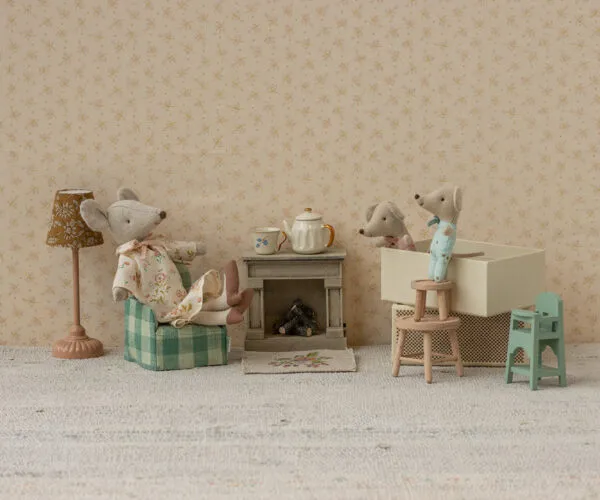


Children have an incredible ability to turn ordinary objects into imaginary worlds. A small toy character can become a traveller, a teacher or even the main character in an exciting adventure. Miniature toys provide opportunities for this kind of creative exploration without requiring complicated instructions or electronic features.
Through storytelling, children can recreate familiar experiences and invent entirely new situations. Collections featuring maileg mice offer an example of how small characters can become part of imaginative play. With a few simple accessories and enough freedom, children can enjoy creating stories that change every time they play.
Why Miniature Worlds Interest Children
Miniature toys appeal to children because they allow familiar surroundings to be recreated on a smaller scale. A tiny bedroom, kitchen or dining table can become the setting for adventures inspired by everyday family life.
Children can decide where characters live, what activities they enjoy and how their stories develop. Some prefer recreating familiar routines, while others invent unusual situations. Both approaches allow children to explore their imagination without following a fixed set of rules.
Encourage Storytelling Through Familiar Characters
Storytelling often begins with something simple. A toy mouse might prepare breakfast, visit a neighbour or pack a suitcase for a holiday. These small situations can gradually develop into longer adventures as children introduce different characters and unexpected events.
Parents can encourage storytelling by asking open-ended questions instead of directing the activity. Questions about where a character is travelling or what happens next allow children to explain their ideas. Listening carefully often proves more useful than suggesting how the story should end.
Explore Everyday Life Through Play
Children regularly observe adults cooking, cleaning, shopping and preparing for bedtime. Miniature play provides an opportunity to recreate these familiar situations in a comfortable and enjoyable environment. A small pretend kitchen might inspire a family dinner, while a miniature bed could become part of a bedtime routine.
Children sometimes repeat the same scenario several times before introducing different details. This repetition can be a natural part of their play. Such activities may also introduce conversations about sharing responsibilities, helping others and managing everyday situations without turning playtime into a formal lesson.
Choose Accessories That Add Variety
Accessories can make imaginary settings more interesting, although children rarely need large collections to enjoy themselves. A few suitable pieces can provide plenty of opportunities for creative storytelling.
Parents exploring maileg toys may notice miniature furniture, clothing and other accessories designed to complement different characters. Choosing items that suit a child’s existing interests can make play more enjoyable.
Some useful ways to develop miniature play include:
- Creating a small home using suitable toy furniture.
- Introducing new characters into familiar stories.
- Arranging pretend meals with miniature accessories.
- Making simple scenery using paper and cardboard.
- Encouraging children to invent their own adventures.
Age recommendations should always be checked because miniature accessories may contain small parts unsuitable for younger children.
Create a Comfortable Playing Space
Miniature toys do not require an elaborate playroom. A small table, comfortable floor mat or dedicated shelf can provide enough space for children to arrange characters and accessories. Keeping related items together also makes activities easier to begin. Shallow containers can help organise miniature clothing, furniture and other pieces.
Children may gradually become familiar with returning their belongings to the correct places after playing. For families living in Dubai apartments, compact storage can be particularly helpful when toys share space with other household activities.
Make Shared Play More Enjoyable
Miniature play can become a shared activity involving siblings, friends or parents. Children might assign different roles, create imaginary families or work together to organise an adventure. These interactions provide opportunities to practise listening, explaining ideas and taking turns. However, disagreements can occur when children want their characters to follow different stories.
Adults can help by encouraging discussion rather than controlling every decision. Allowing children to negotiate small choices can make the experience more cooperative while preserving their independence.
Allow Children to Direct Their Stories
Adults sometimes feel tempted to demonstrate the correct way to play with a particular toy. Yet miniature characters often become more interesting when children are free to use them in unexpected ways.
A tiny dining table might become a stage, while a pretend bedroom could transform into a railway station. These imaginative changes do not need correcting simply because they differ from the intended design. Providing suitable toys, enough time and a relaxed environment allows children to explore ideas at their own pace.
Conclusion
Miniature toys can provide children with enjoyable opportunities to create stories, explore familiar routines and share imaginative experiences. Simple characters and carefully selected accessories are often enough to inspire many different adventures. Parents should prioritise age-appropriate materials, safe play spaces and their child’s individual interests when choosing toys. Families interested in miniature characters and storybook-inspired accessories can explore collections at martinandella.com while finding suitable additions to their children’s playtime activities.